Tech. Note: On Measures of Information and Entropy
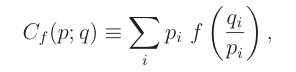
A brief overview of information measures on classical, discrete probability distributions.

A brief overview of information measures on classical, discrete probability distributions.
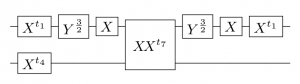
Notes on the circuit model of quantum computing. Currently mostly an exposition on the menagerie of quantum gates.
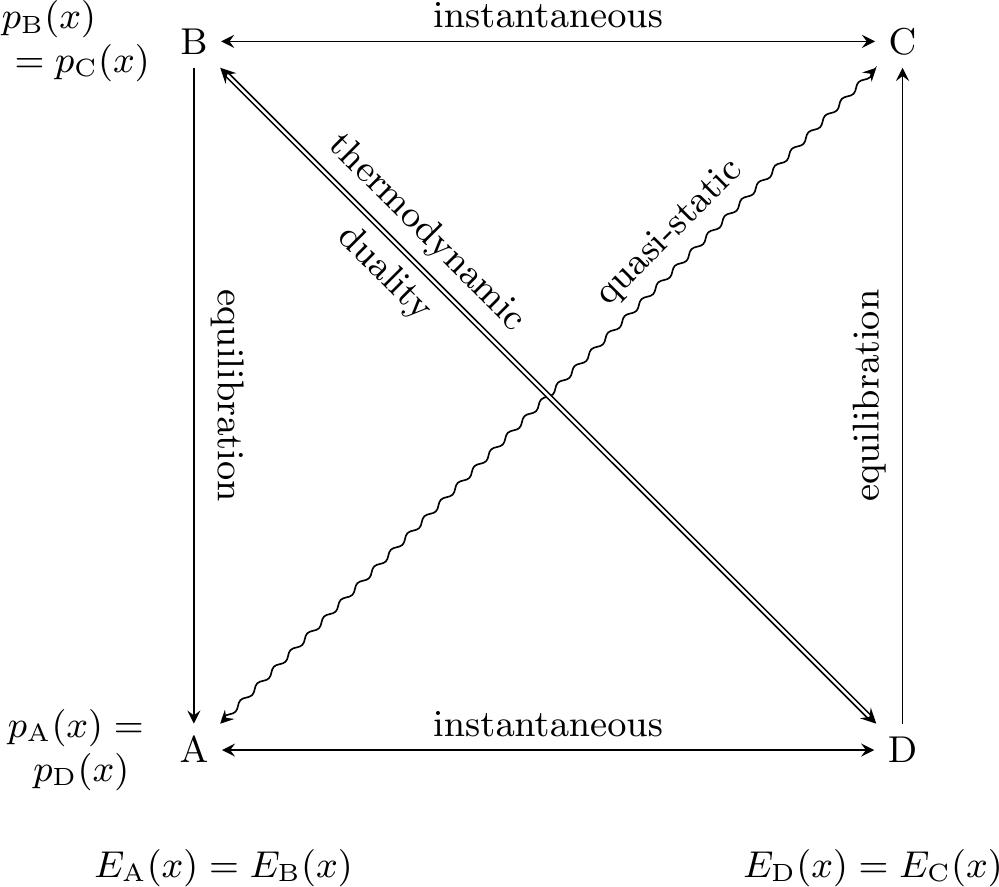
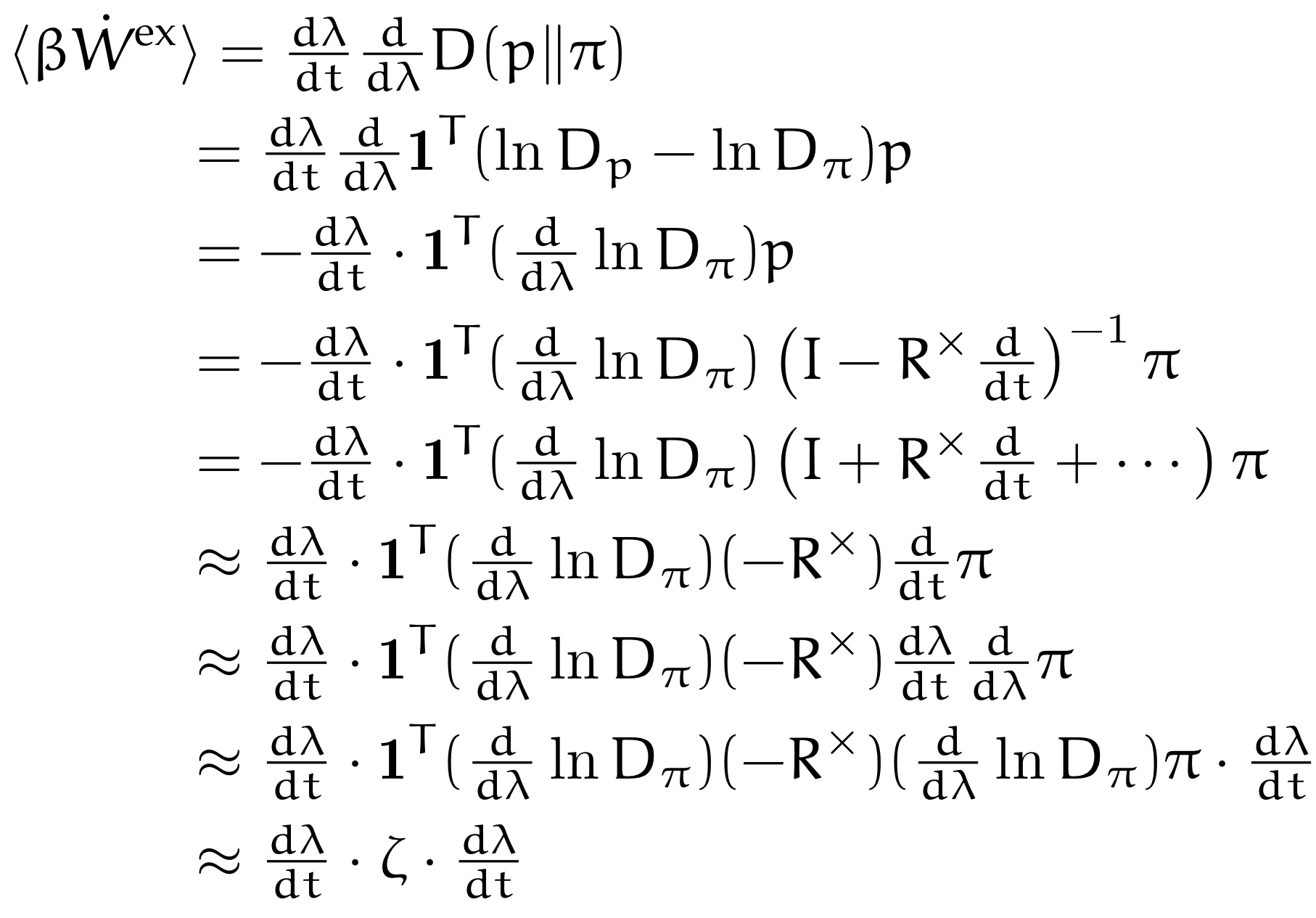
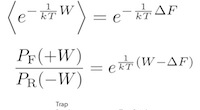
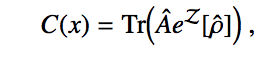
The relative entropy of a non-equilibrium ensemble to the corresponding equilibrium ensemble is the excess free energy.
We show that natural gradient descent can have a similar computational complexity per iteration to a first-order method, when employing appropriate hardware.
Physics-based Application-Specific Integrated Circuits present a transformative paradigm by directly harnessing intrinsic physical dynamics for computation.
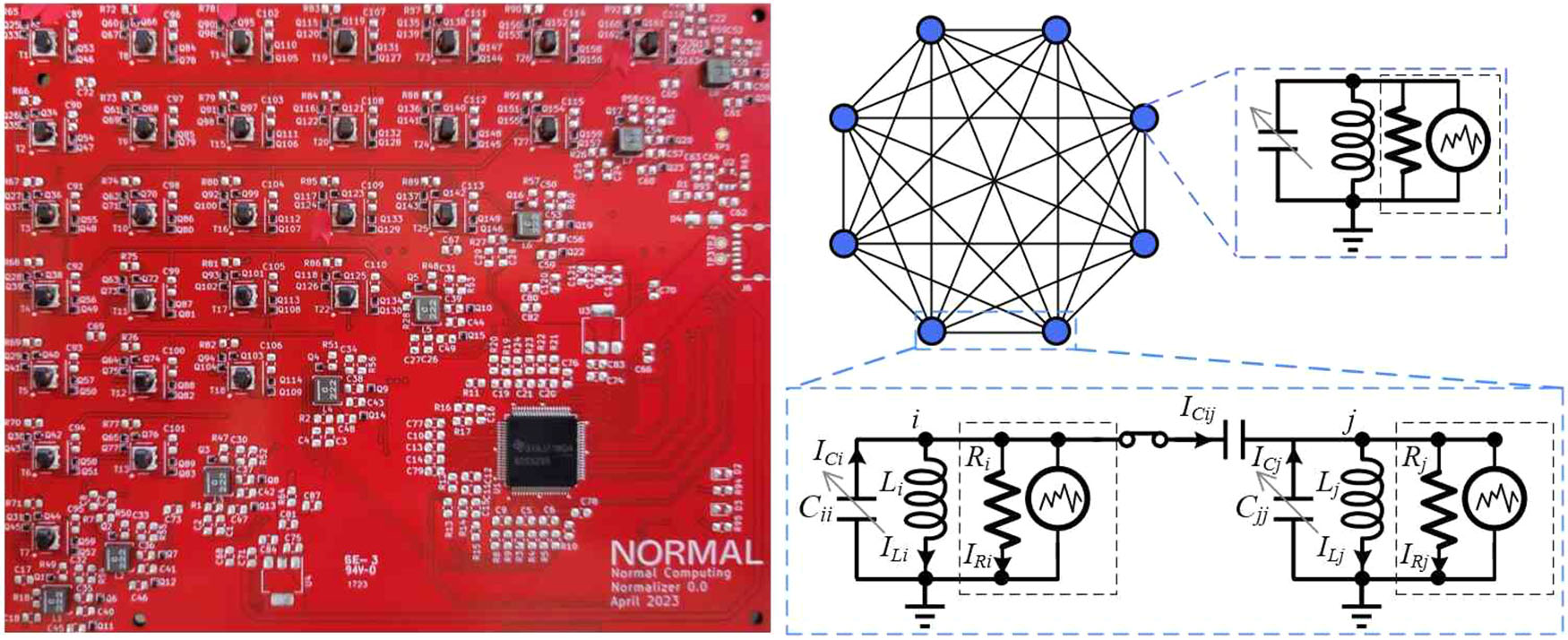
We present the first continuous-variable thermodynamic computer, which we call the stochastic processing unit (SPU).
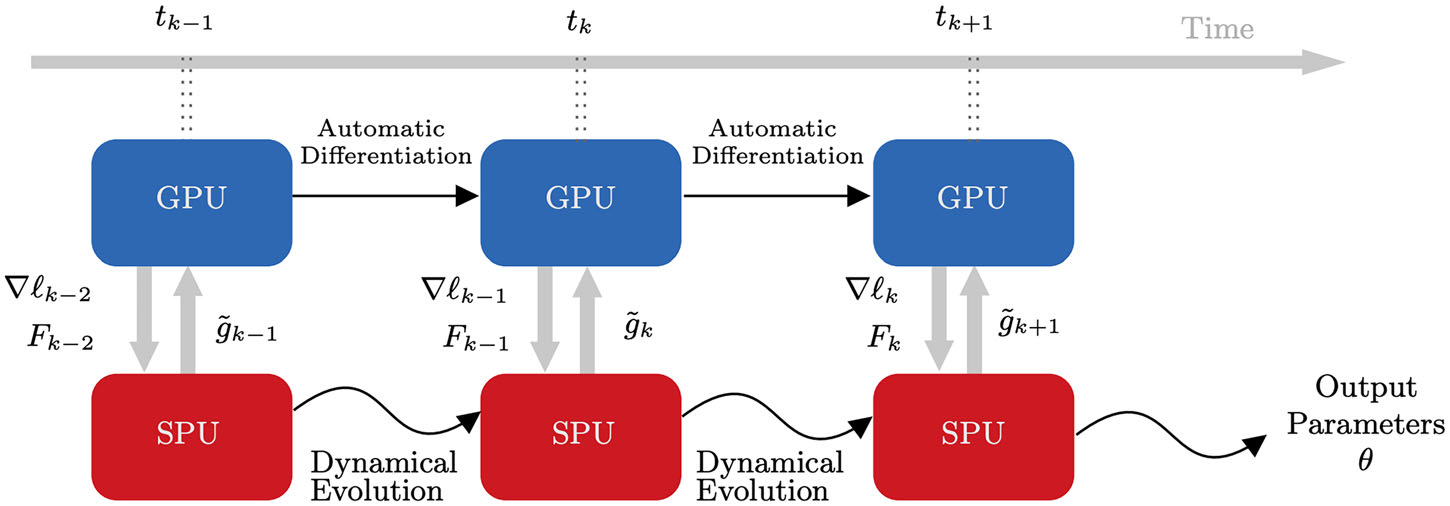
We propose a scalable algorithm for employing thermodynamic computers to accelerate a popular second-order optimizer called K-FAC.
Here, we provide a thermodynamic algorithm for exponentiating a real matrix. We describe a simple electrical circuit involving coupled oscillators, which can...
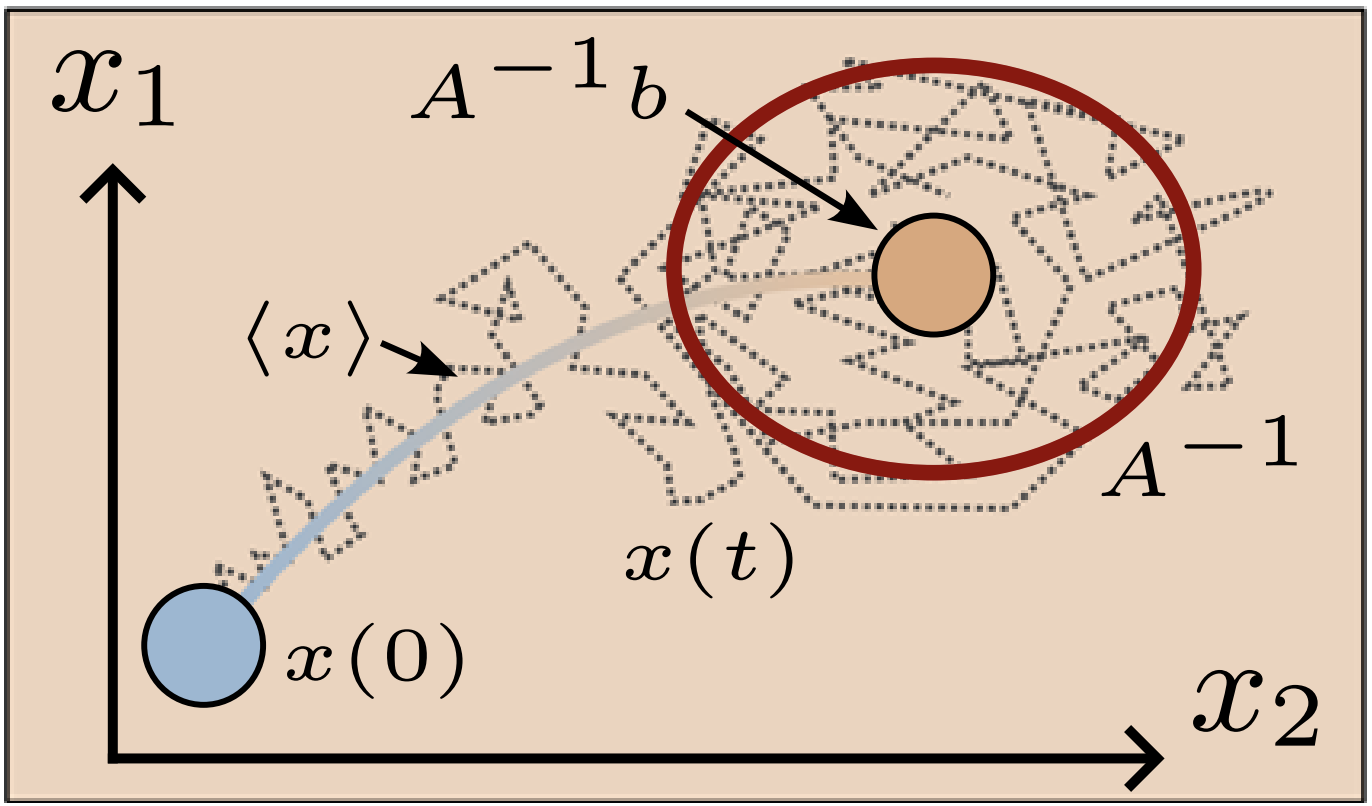
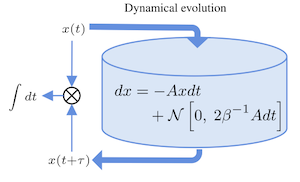
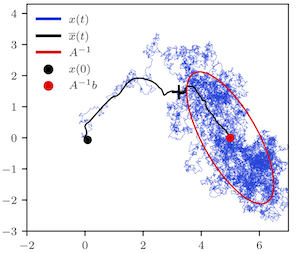
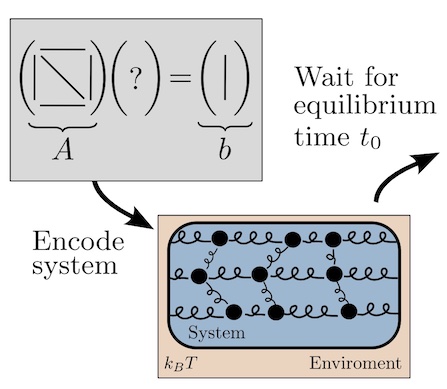
We consider an alternative physics-based computing paradigm based on classical thermodynamics, to provide a near-term approach to accelerating linear algebra.
We propose electronic analog devices that sample from Bayesian posteriors by realizing Langevin dynamics physically.
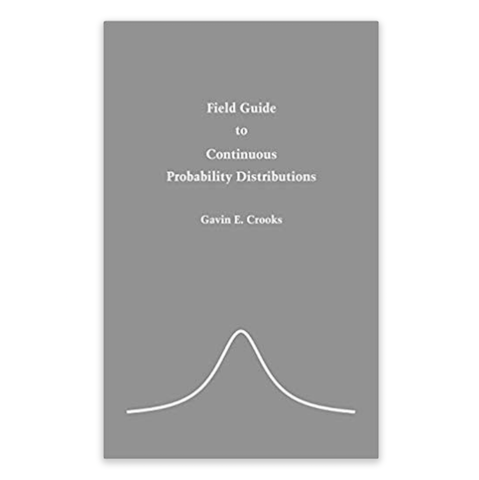
Here’s a good review and summary of my book Field Guide to Continuous Probability Distributions : by Eric Regis
We introduce a method that reduces the overall error from a linear to a quadratic dependence on the imprecision, for Gaussian sampling and linear algebra app...
We consider an alternative physics-based computing paradigm based on classical thermodynamics, to provide a near-term approach to accelerating linear algebra.
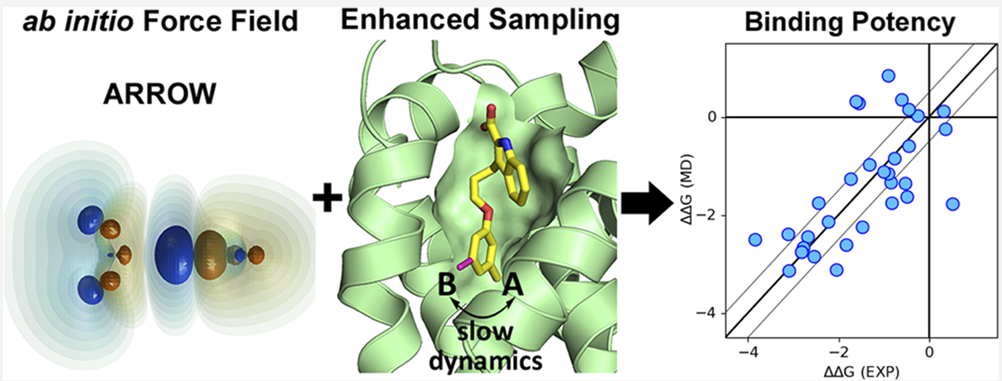
Protein−ligand binding free-energy calculations using molecular dynamics (MD) simulations have emerged as a powerful tool for in silico drug design. Here, we...
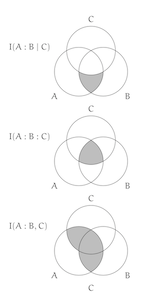
A brief overview of information measures on classical, discrete probability distributions. Tech. Note 009 v0.8 [ Full Text ]
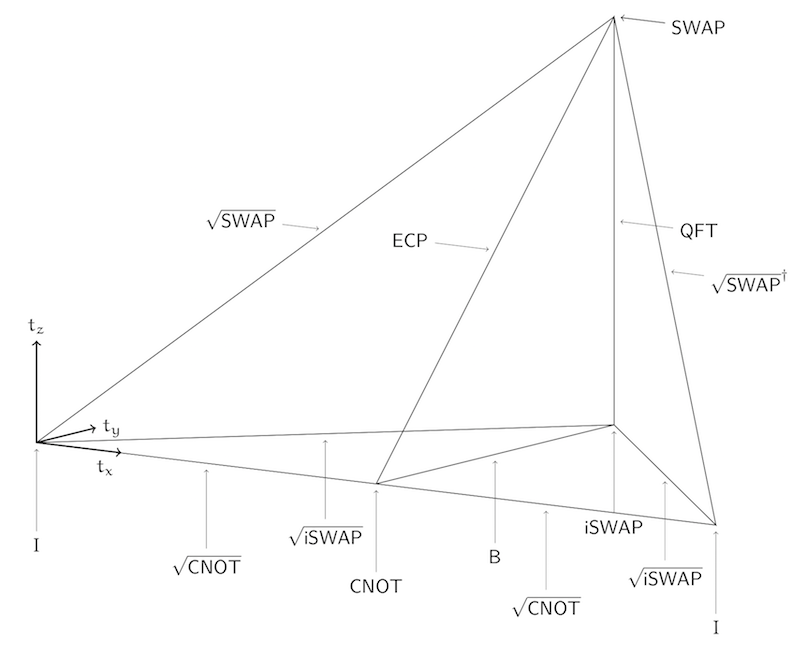
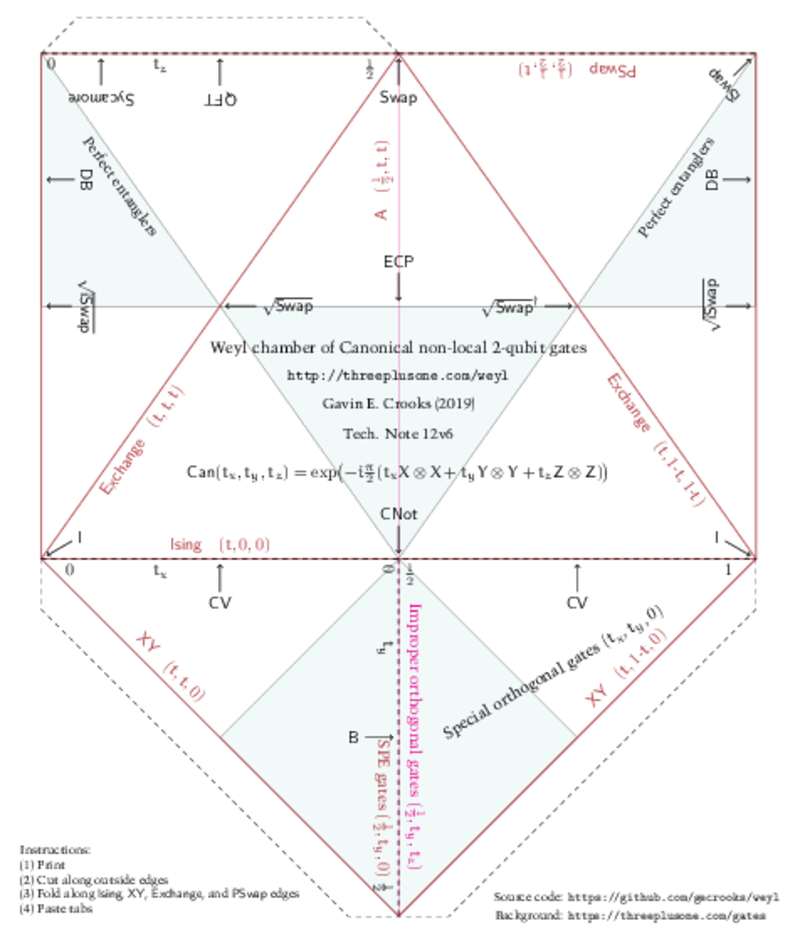
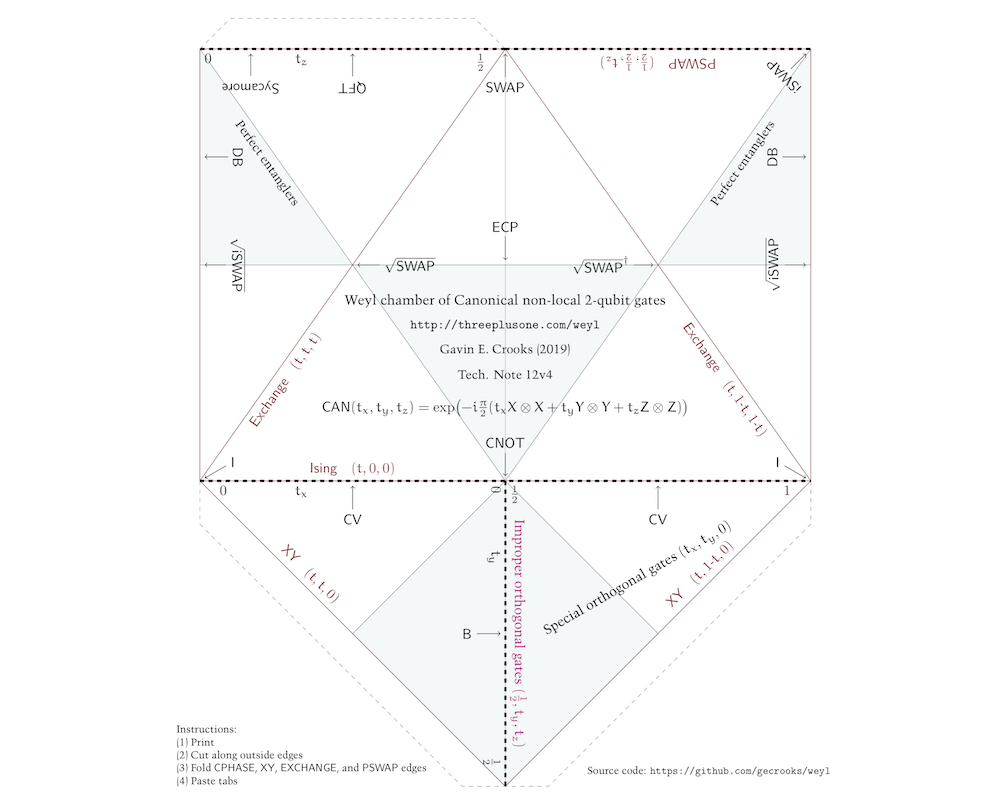
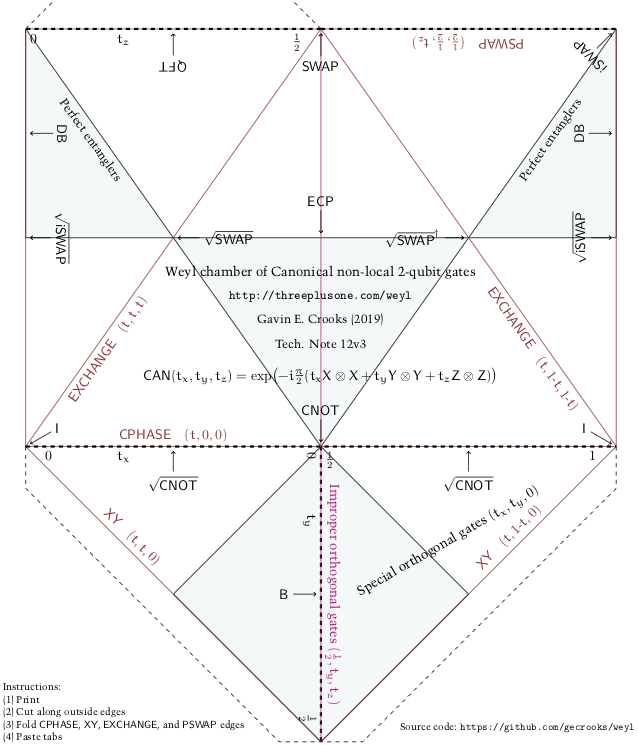
The Weyl chamber of canonical non-local 2-qubit gates. Papercraft meets quantum computing. Print, cut, fold, and paste.
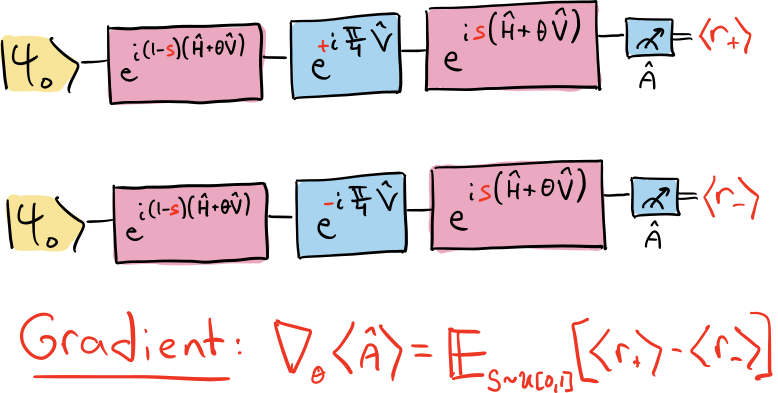
The Parameter Shift Rule is a cunning, recently developed method for evaluation gradients of quantum circuits on a quantum computer. But it has two problems…
Notes on the circuit model of quantum computing. Currently mostly an exposition on the menagerie of quantum gates.
Notes on the circuit model of quantum computing. Currently mostly an exposition on the menagerie of quantum gates.
The Parameter Shift Rule is a cunning, recently developed method for evaluation gradients of quantum circuits on a quantum computer. But it has two problems…
For a native gate set which includes all single-qubit gates, we apply results from symplectic geometry to analyze the spaces of two-qubit programs accessible...
The Weyl chamber of canonical non-local 2-qubit gates. Papercraft meets quantum computing. Print, cut, fold, and paste.
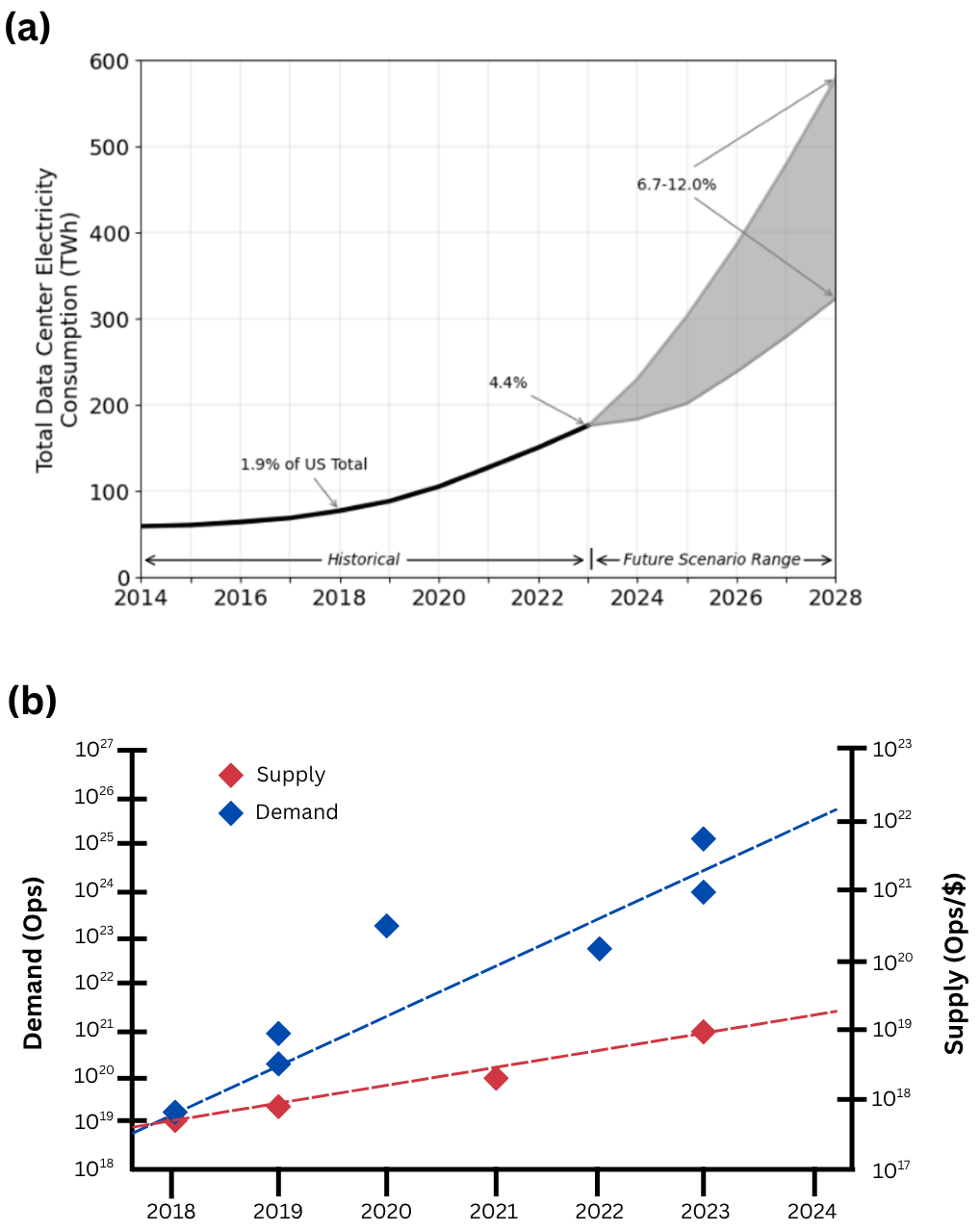
A workshop report proposing a united, physically grounded, computational paradigm centered on thermodynamics.
The parameter-shift rule is an approach to measuring gradients of quantum circuits with respect to their parameters, which does not require ancilla qubits or...
Notes on the circuit model of quantum computing. Currently mostly an exposition on the menagerie of quantum gates on 2-qubits.
For a native gate set which includes all single-qubit gates, we apply results from symplectic geometry to analyze the spaces of two-qubit programs accessible...
The Weyl chamber of canonical non-local 2-qubit gates. Papercraft meets quantum computing. Print, cut, fold, and paste.
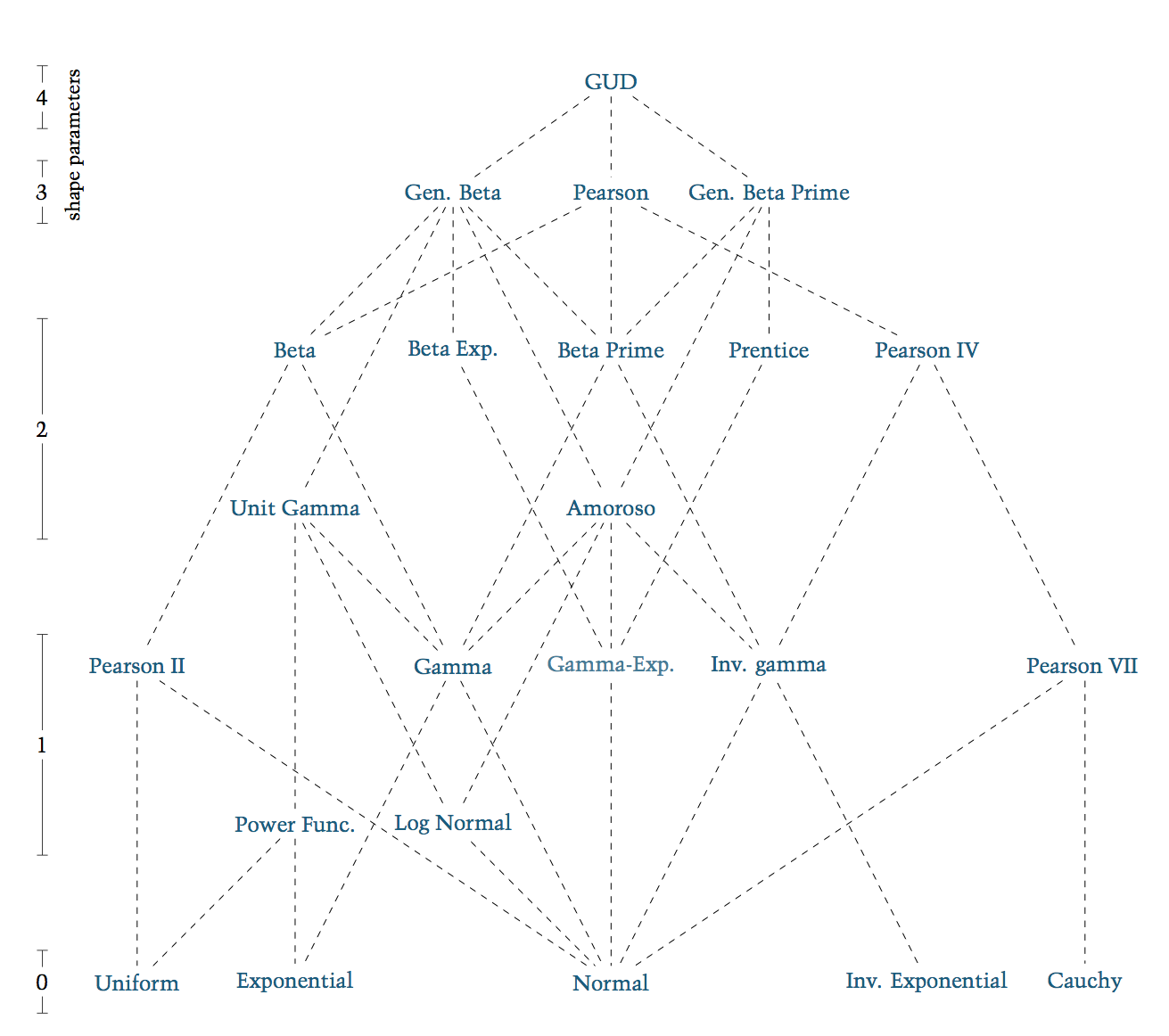
Survey of over 170 continuous univariate probability distributions (and at least as many synonyms) organized into 20 families. First dead tree edition.
Gavin E. Crooks and Susanne Still, EPL 125:40005 (2019).
Added Porter-Thomas, Epanechnikov, biweight, triweight, Libby-Novick, Gauss hypergeometric, confluent hypergeometric, Johnson-SU, and log-Cauchy distributions
The Weyl chamber of canonical non-local 2-qubit gates. Papercraft meets quantum computing. Print, cut, fold, and paste. (Should look like Fig. 4 of quant-p...
Gavin E. Crooks, arXiv: 1811.08419 (2018) [ PDF | Code]
A brief overview of information measures on classical, discrete probability distributions. Tech. Note 009 v0.7 [ Full Text ]
C. M. Wilson, J. S. Otterbach, N. Tezak, Robert S. Smith, Gavin E. Crooks, and Marcus P. da Silva, arXiv:1806.08321 (2018)
Gavin E. Crooks, Susanne Still, arXiv:1611.04628
Josh Fass, David A. Sivak, Gavin E. Crooks, Kyle A. Beauchamp, Benedict Leimkuhler, and John D. Chodera Entropy, 20(5):318 (2018).
Whats New: Added hyperbola, hyperbolic, Halphen, Halphen B, inverse Halphen B, generalized Halphen, Sichel, Appell Beta, K and generalized K distributions. T...
Grant M. Rotskoff, Gavin E. Crooks, Eric Vanden-Eijnden Phys. Rev. E 95 012148 (2017)
Gavin E. Crooks, Susanne Still, arXiv:1611.04628
David Sivak, Gavin E. Crooks Phys. Rev. E 94(5):052106 (2016)
Whats New: Added pseudo Voigt,and Student’s t_3 distributions. Reparameterized hyperbolic sine distribution. Derived limit of Unit gamma to log-normal.Corre...
Todd R. Gingrich, Grant M. Rotskoff, Gavin E. Crooks, Phillip L. Geissler Proc. Natl. Acad. Sci. U.S.A. (2016)
Whats New: Added Hohlfeld distribution. Added appendix on limits. Reformatted and rationalized distribution hierarchy diagrams. Fixed typos and improved form...
Todd R. Gingrich, Grant M. Rotskoff, Gavin E. Crooks, Phillip L. Geissler arXiv:1602.01459
Grant M. Rotskoff, Gavin E. Crooks, Phys. Rev. E, 92, 060102 (2015) [ Full text | Journal| arXiv ] Abstract A general understanding of optimal contr...
A brief overview of information measures on classical, discrete probability distributions. [
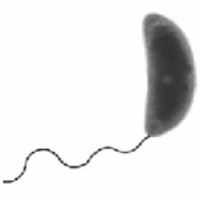
Srividya Iyer-Biswas, Charles S. Wright, Jonathan T. Henry, Klevin Lo, Stanislav Burov, Yihan Lin, Gavin E. Crooks, Sean Crosson, Aaron R. Dinner, Norbert F...
Srividya Iyer-Biswas, Gavin E. Crooks, Norbert F. Scherer, and Aaron R. Dinner, Phys. Rev. Lett., 113, 028101 (2014)
David A. Sivak, John D. Chodera, Gavin E. Crooks, arXiv:1301.3800
Version: 0.5 BETA In a desperate attempt to preserve my own sanity, a survey of probability distributions used to describe a single, continuous, unimodal, u...
David A. Sivak, John D. Chodera, Gavin E. Crooks, Phys. Rev. X 3, 011007 (2013)
Patrick R. Zulkowski David A. Sivak, Gavin E. Crooks, Michael R. DeWeese Phys. Rev. E, 86, 041148 (2012)
This paper is a melding of ideas about machine learning from Susanne Still and Tony Bell, with ideas from David and I about nonequilibrium thermodynamics. Fo...
David A. Sivak, Gavin E. Crooks, Phys. Rev. Lett., 108, 190602 (2012)
David A. Sivak, Gavin E. Crooks, Phys. Rev. Lett. 108, 150601 (2012)
Jerome P. Nilmeier, Gavin E. Crooks, David L. D. Minh, and John D. Chodera, Proc. Natl. Acad. Sci. U.S.A. (2011) 108(45) E1009-E1018
The word ‘reversible’ has two (apparently) distinct applications in statistical thermodynamics. A thermodynamically reversible process indicates an experimen...
Gavin E. Crooks, and David A. Sivak, J. Stat. Mech.: Theor. Exp. P06003 (2011)
Derek Greenfield, Ann L. McEvoy, Hari Shroff, Gavin E. Crooks, Ned S. Wingreen, Eric Betzig, Jan Liphardt, PLoS Biol. 7:e1000137 (2009)
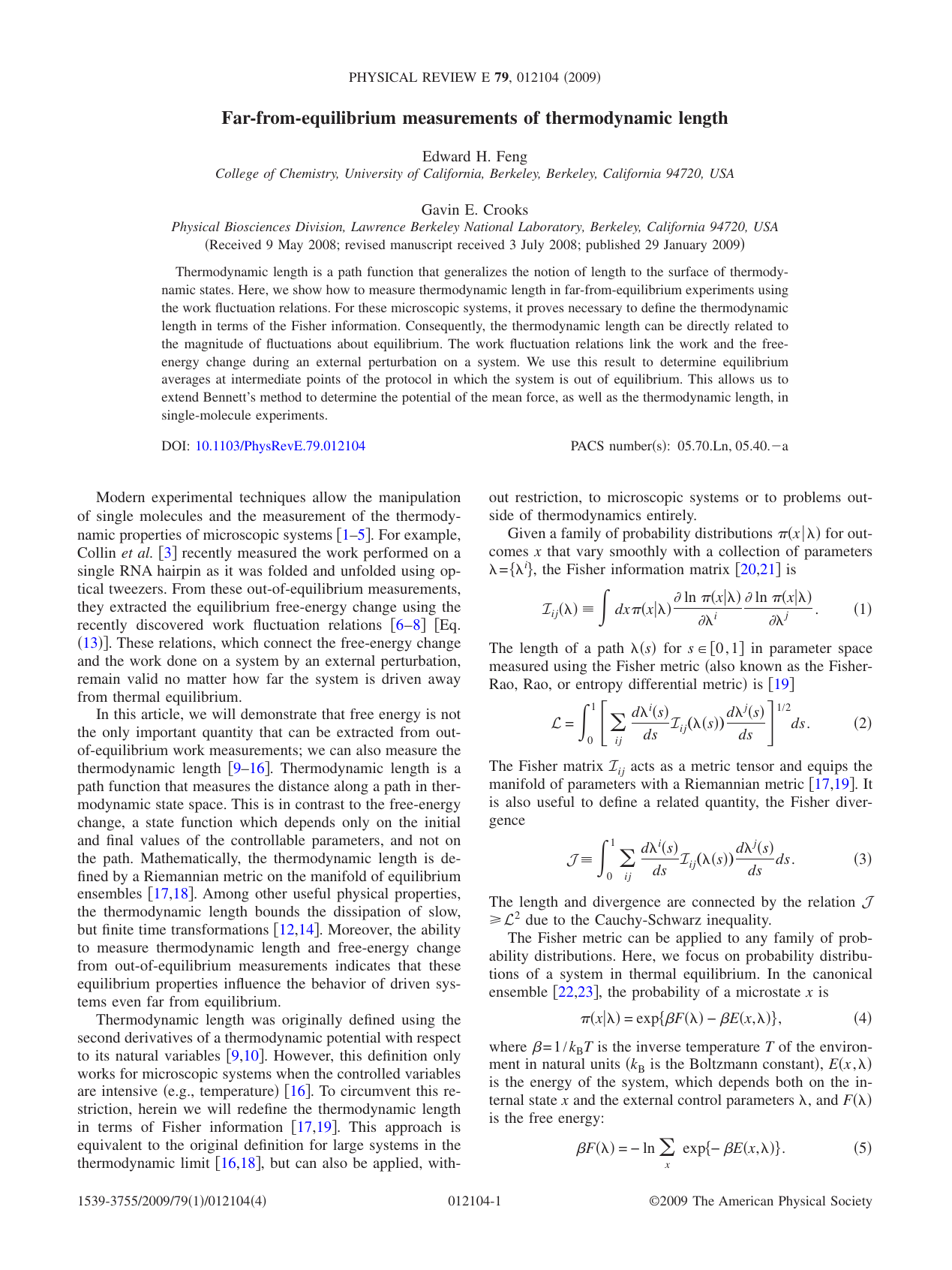
E. H. Feng, G. E. Crooks, Phys. Rev. E 79, 012104 (2009)
G. E. Crooks, J. Stat. Mech.: Theor. Exp. P10023 (2008)
E. H. Feng, G. E. Crooks, Phys. Rev. Lett. 101, 090602 (2008)
Paul Maragakis, Felix Ritort, Carlos Bustamante, Martin Karplus, Gavin E. Crooks, J. Chem. Phys. 129, 024102 (2008)
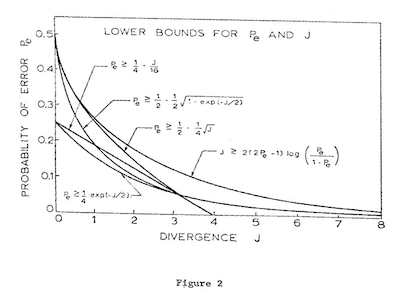
Jeffreys’ J-divergence and the Jensen-Shannon divergence are shown to be related by an inequality that involves a transcendental function of the Jeffreys div...
G. E. Crooks, Phys. Rev. A 77, 034101 (2008)
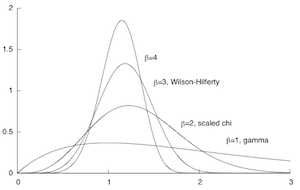
The Amoroso distribution is the natural unification of the generalized gamma and generalized extreme value families of distributions. At least 40 distinct, n...
G. E. Crooks, Phys. Rev. Lett. 99, 100602 (2007)
The Amoroso distribution is a continuous, univariate, unimodal probability distribution with a semi-infinite range. A surprisingly large menagerie of interes...
G. E. Crooks, Phys. Rev. E 75, 041119 (2007)
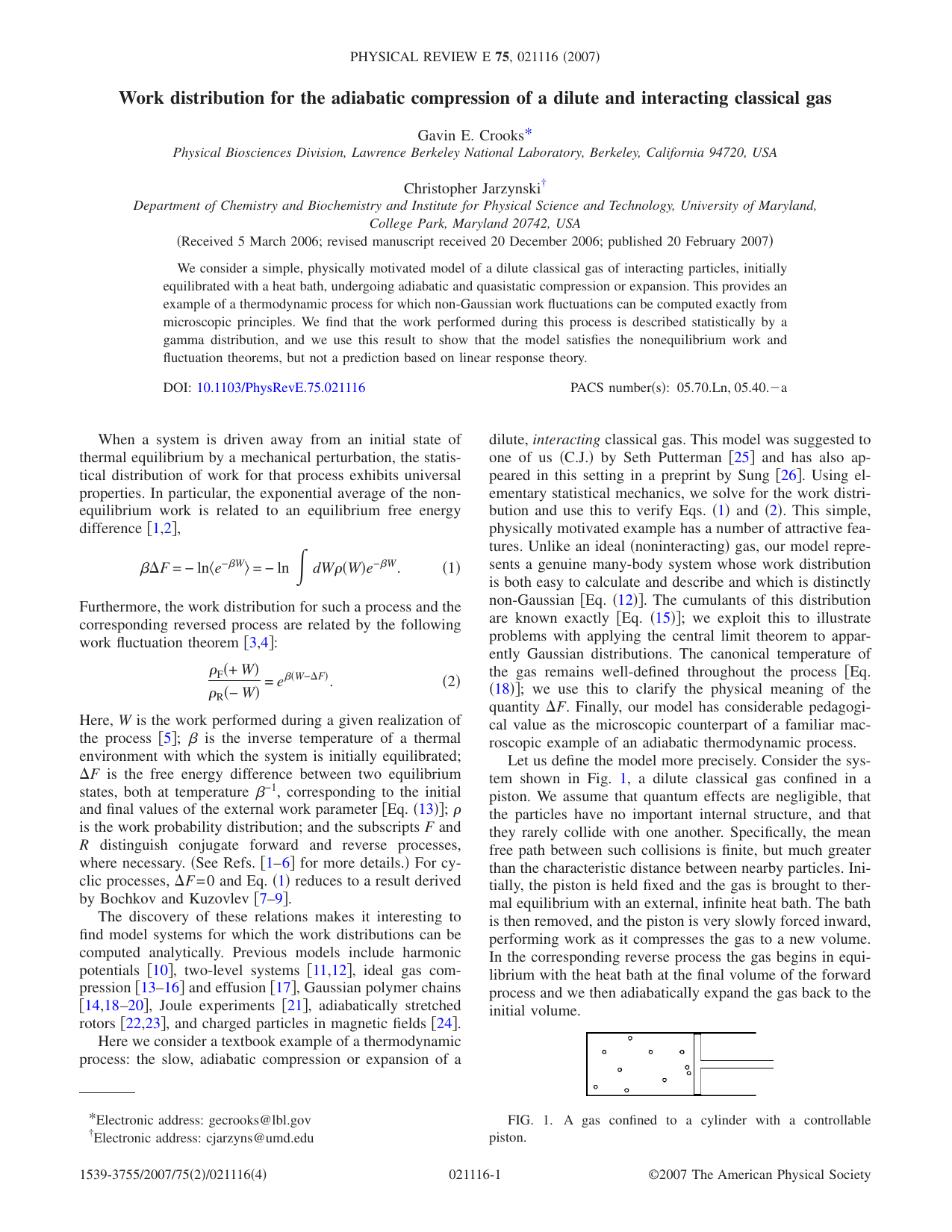
G. E. Crooks, C. Jarzynski, Phys. Rev. E 75, 021116 (2007)
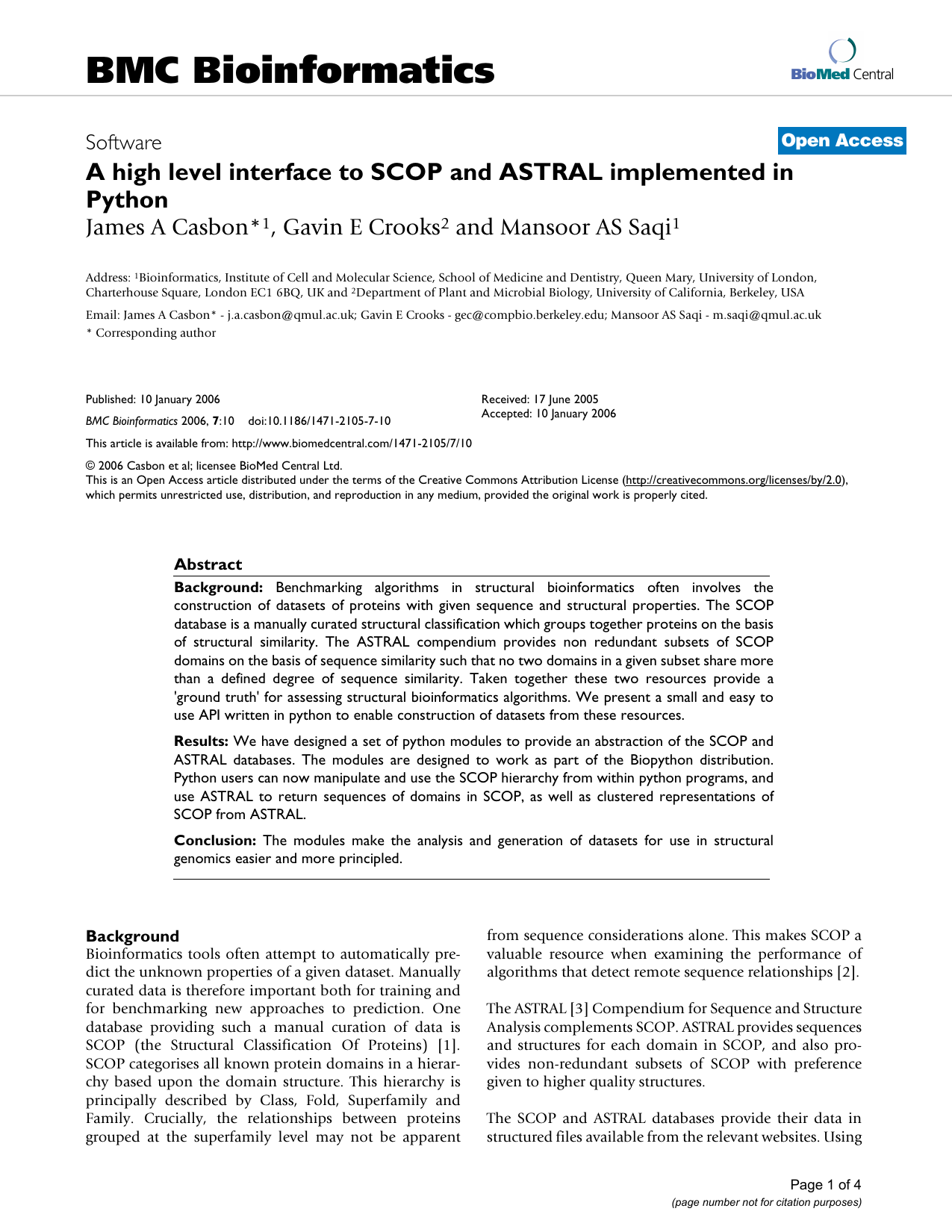
J. A. Casbon, G. E. Crooks, M. A. S. Saqi, BMC Bioinformatics 7:10 (2006)
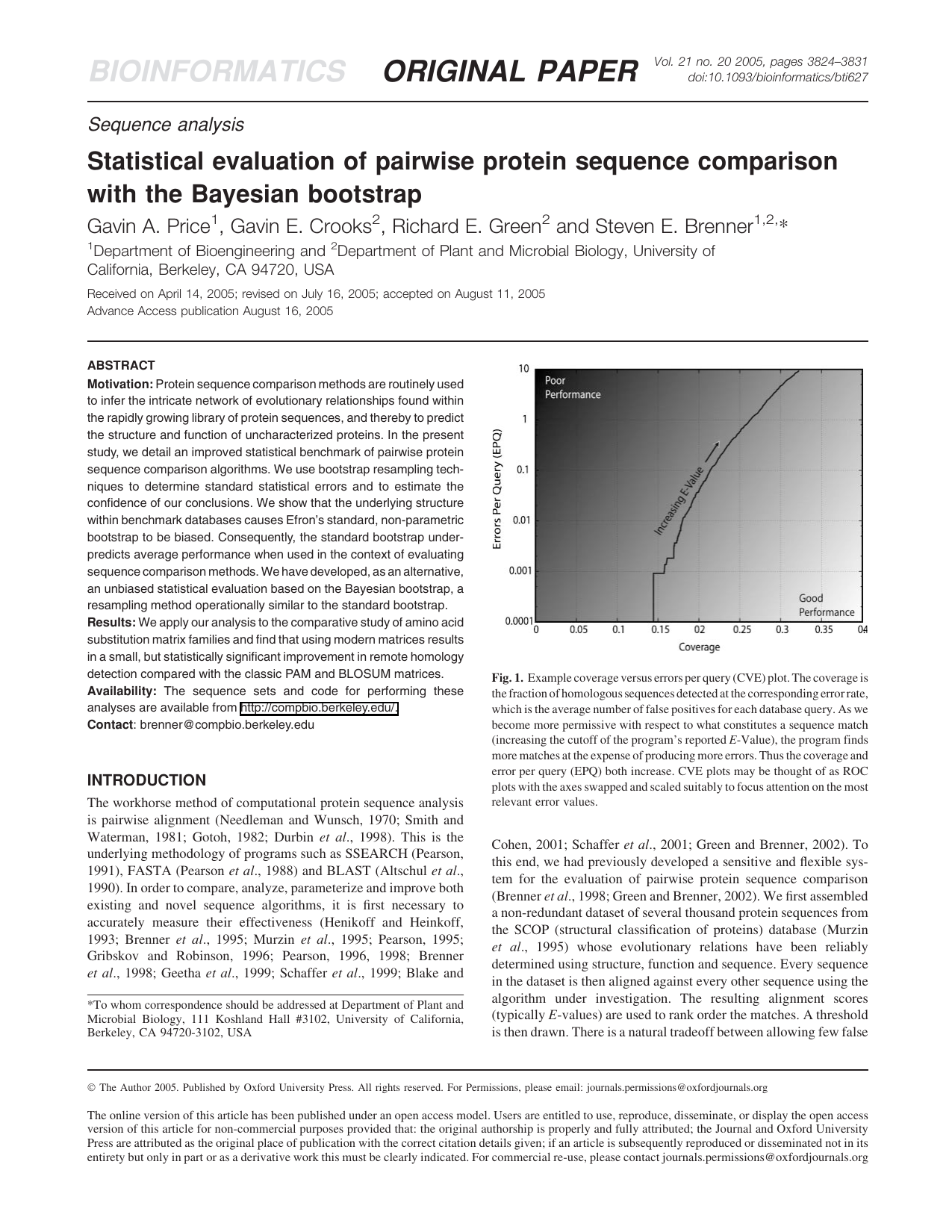
G. A. Price, G. E. Crooks, R. E. Brenner, S. E. Brenner, Bioinformatics 21:3824-3831 (2005). Erratum: Bioinformatics 21:4138 (2005)
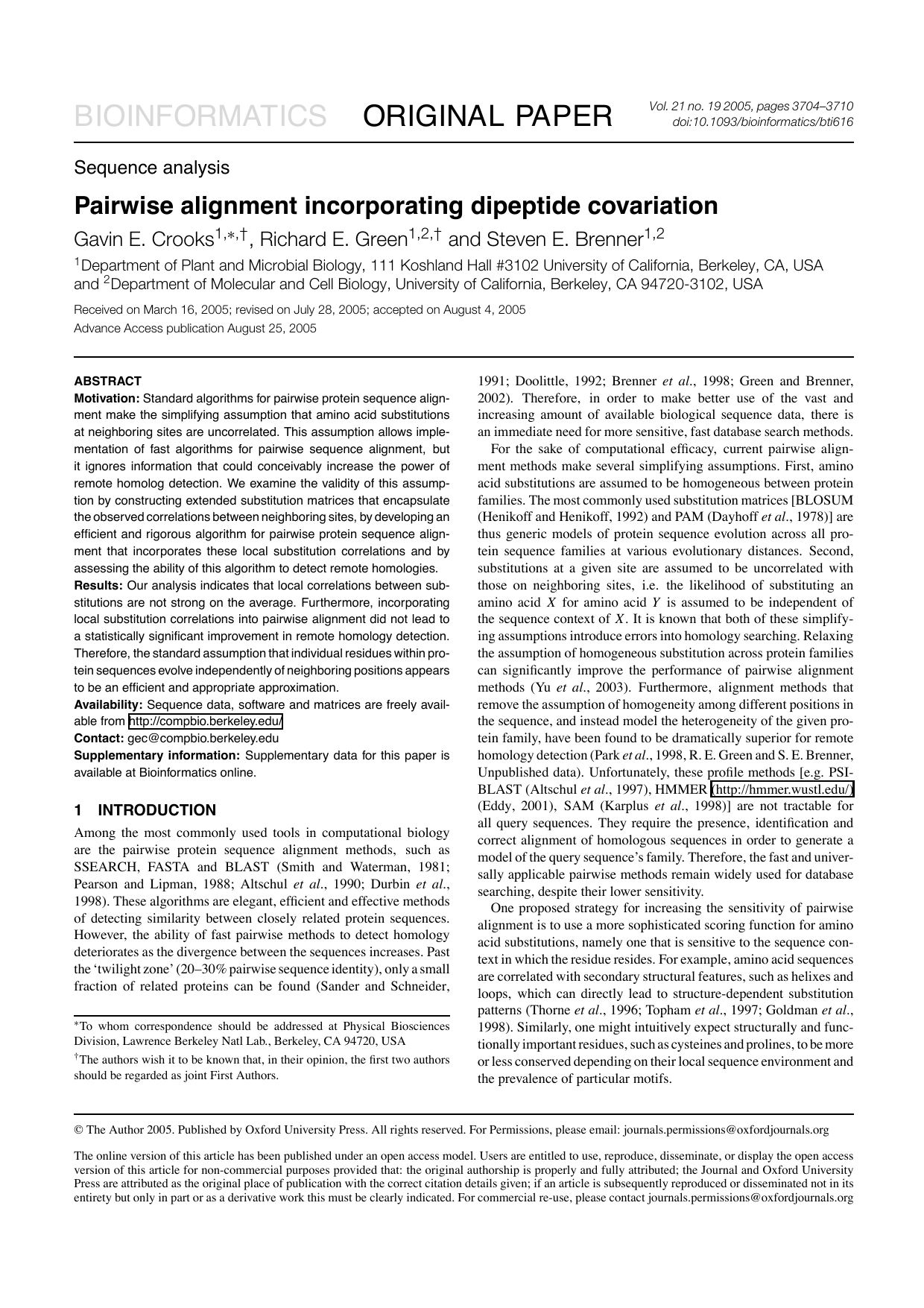
G. E. Crooks, R. E. Brenner, S. E. Brenner, Bioinformatics 21:3704-3710 (2005)
D. Collin, F. Ritort, C. Jarzynski, S. B. Smith, I. Tinoco Jr., and C. Bustamante, Nature 437, 231-234 (2005)
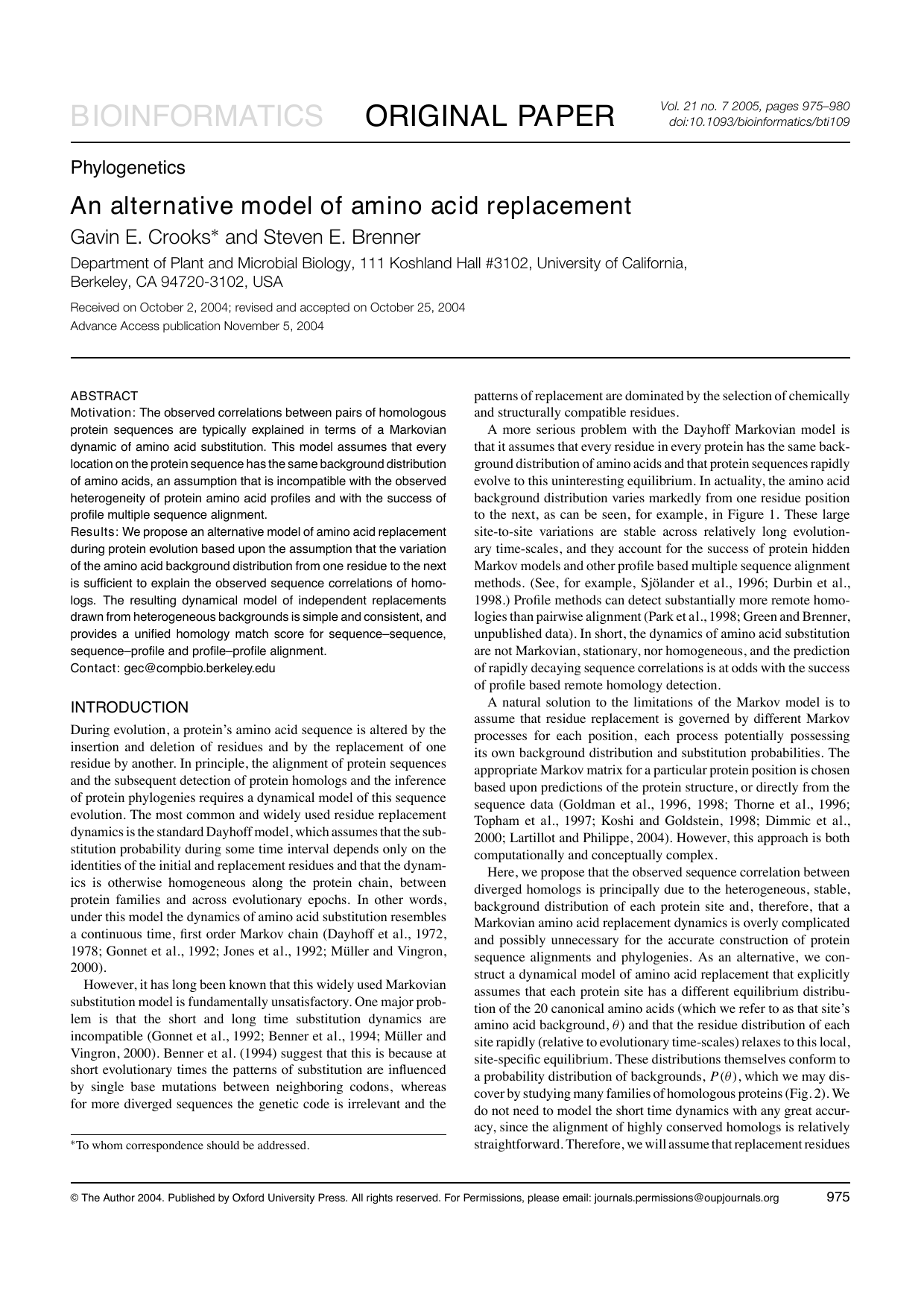
G. E. Crooks, S. E. Brenner, Bioinformatics 21:975-980 (2005)
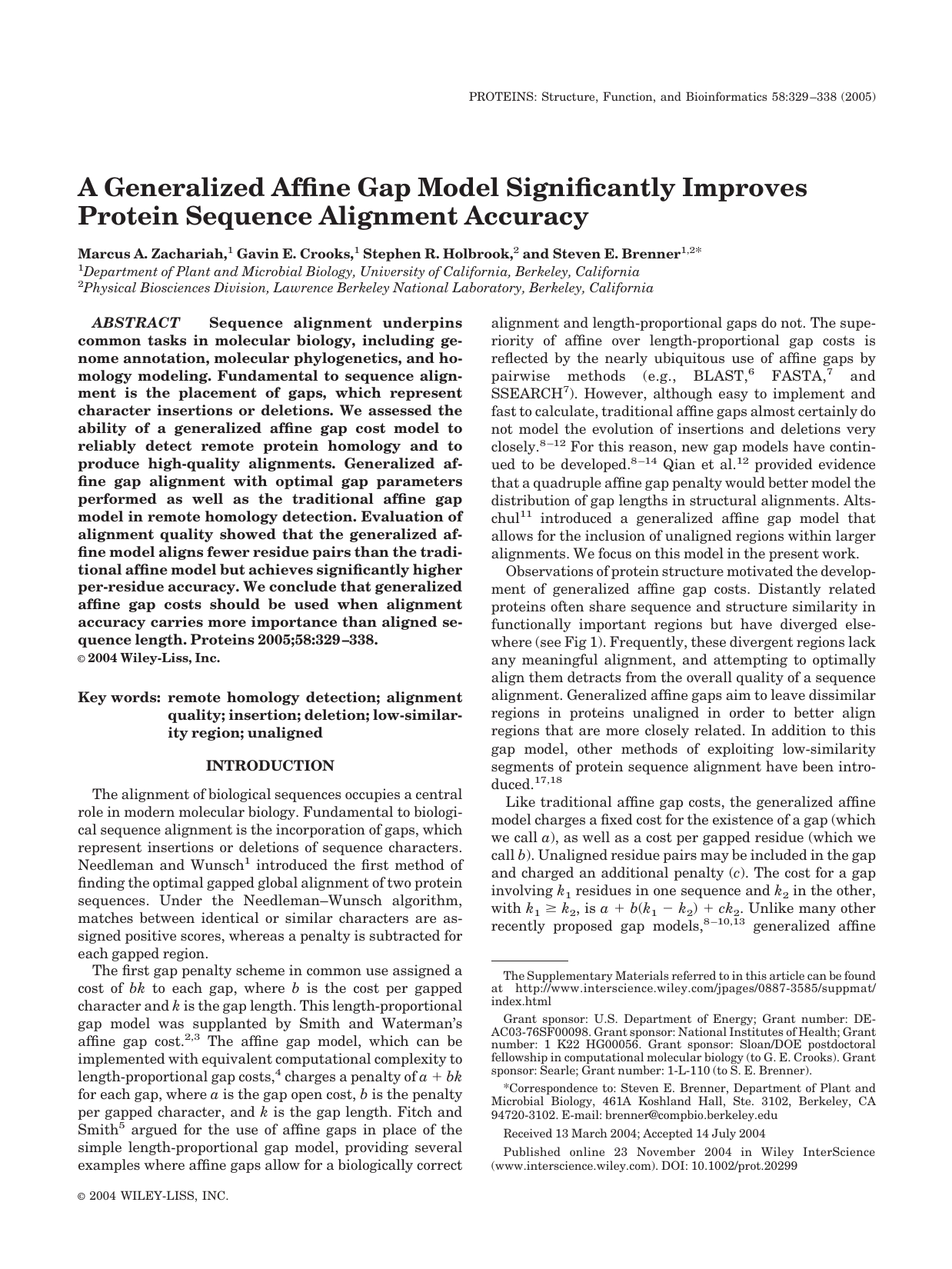
Marcus A. Zachariah, Gavin E. Crooks, Stephen R. Holbrook, and Steven E. Brenner, Proteins 58(2):329-338 (2005)
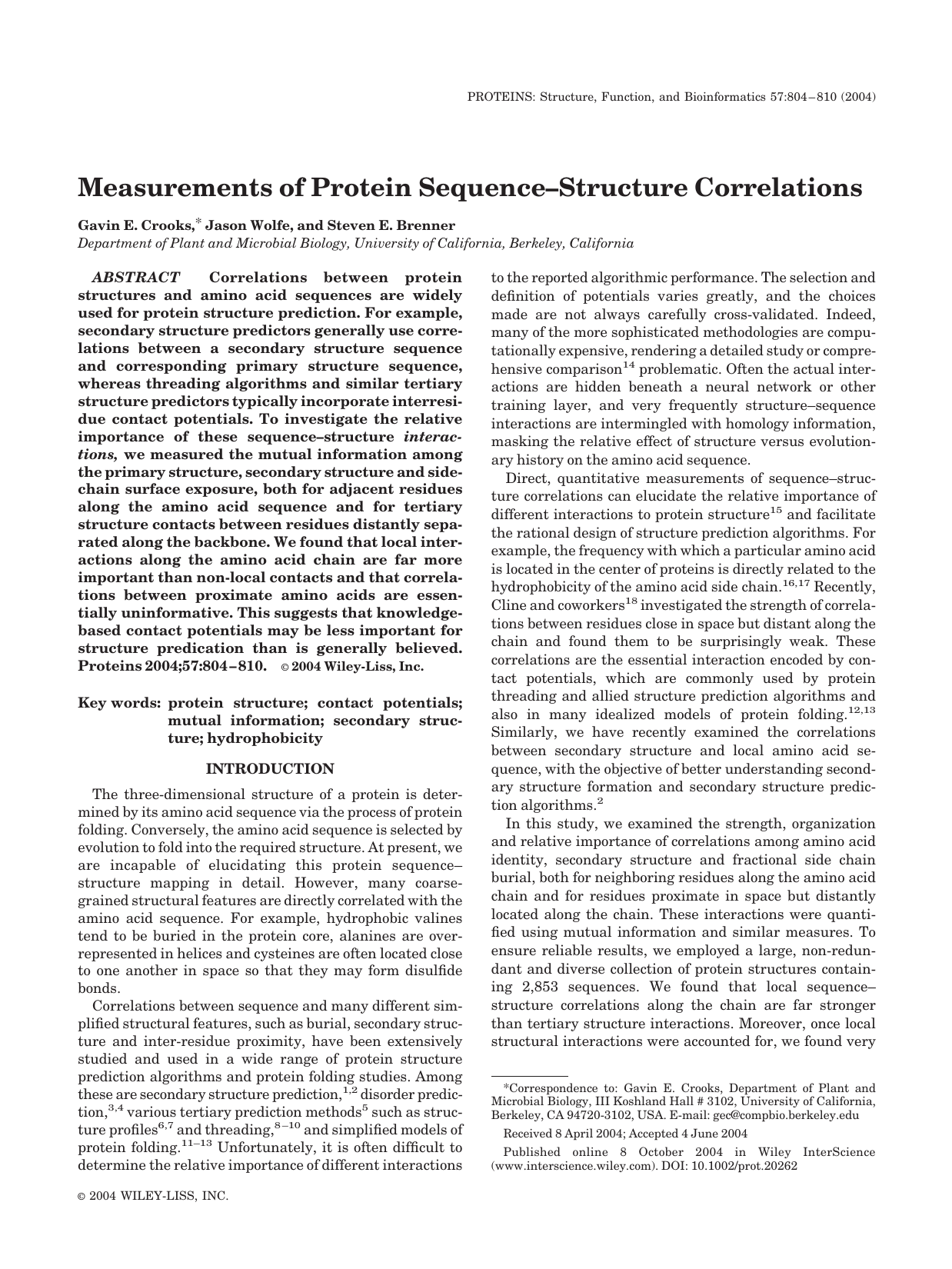
Gavin E. Crooks, Jason Wolfe, Steven E. Brenner, Proteins 57(4):804-810 (2004)
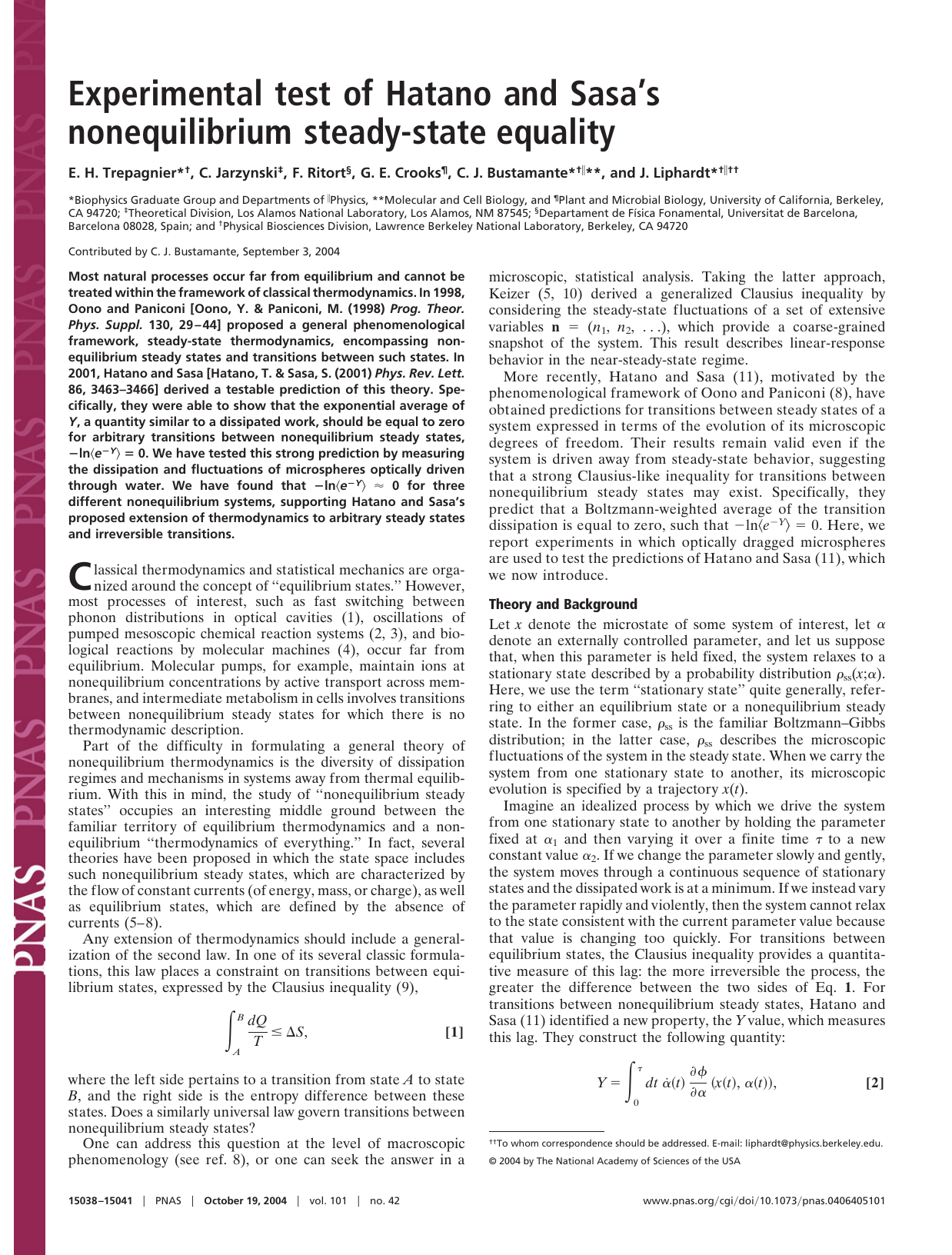
E. H. Trepagnier, C. Jarzynski, F. Ritort, G. E. Crooks, C. J. Bustamante, and J. Liphardt, PNAS 101: 15038-15041 (2004)
Excursions in Statistical Dynamics by Gavin Earl Crooks A dissertation submitted in partial satisfaction of the requirements for the degree of D...
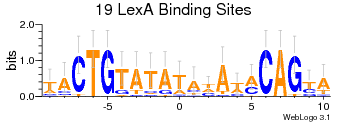
WebLogo 3.9 released with support for python 3.13.
QuantumFlow v1.2.0: Added transpile() function to convert circuits between different quantum libraries, quantum Shannon decomposition, and QuTip interface. ...
QuantumFlow v1.1.0: Added qsim interface for fast quantum circuit simulation.
Gavin E. Crooks (2020)
QuantumFlow: A Quantum Algorithms Development Toolkit and Cross Compiler
Source
Major server upgrade. The old server was getting very old and crufty. WebLogo moved to a shiny new AWS instance, with up to date installations of linux, apac...
QuantumFlow v0.9.0: Adds evaluation of gradients of parameterized quantum circuits using the middle out algorithm, and creation of circuits for evaluation o...
QuantumFlow v0.8.0: Automatic differentiation of quantum circuits and SGD training of quantum networks. Now with TensorFlow 2.0 backend.
3.7 (2019-03-04) [Gavin Crooks] Refactor and cleanup code, removing python 2.7 support Extend API documentation WebLogo python package is now ‘webl...
Announcing QuantumFlow, a python package that emulates a gate based quantum computer using modern optimized tensor libraries (numpy, TensorFlow, or torch). ...
3.6 (2017-12-29) [Gavin Crooks, Melissa Fabros] refactor version string creation update testing framework for use with tox and pytest weblogo is ce...
3.5 (2016-07-24) [Gavin Crooks, Melissa Fabros] Moved source control from GoogleCode to GitHub Switched from Subversion as version control method to ...
3.4 (2014-06-03) [Gavin Crooks, Eric Talevich] Python 3 Weblogo now runs under python 2.6, 2.7, 3.2, 3.3 & 3.4 (Python2.5 is no longer suppor...
3.3 (2012-07-02) [Gavin Crooks, David Sivak] Improved the algorithm that guesses the sequence type (DNA, RNA or protein) (Kudos: Bug report, Roland Pac...
3.2 (2012-01-30) [Gavin Crooks, David Sivak] Graphical interface now accepts transfac format motif files. New output format option: SVG (Scalable Vec...
This release contains mostly code improvement, minor bug fixes, small user enhancements and other miscellaneous maintenance. Command line: Add parsing ...
WebLogo Release 3.0.0
WebLogo Release 2.8.2
WebLogo Release 2.8.0
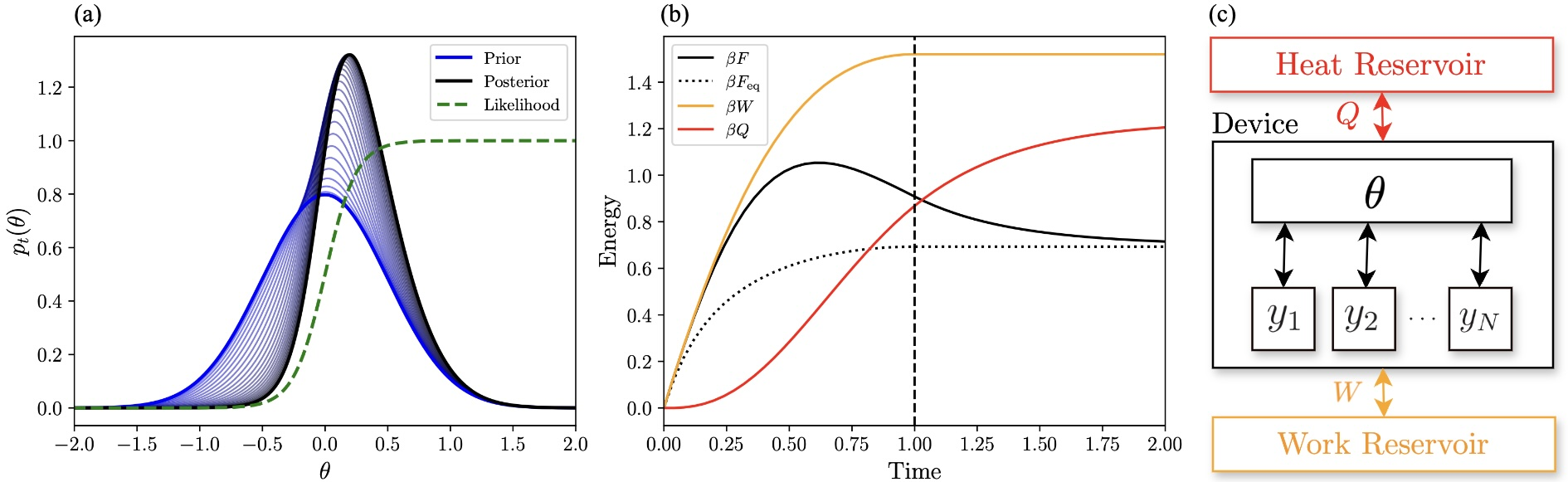
We consider an alternative physics-based computing paradigm based on classical thermodynamics, to provide a near-term approach to accelerating linear algebra.
We consider an alternative physics-based computing paradigm based on classical thermodynamics, to provide a near-term approach to accelerating linear algebra.
We consider an alternative physics-based computing paradigm based on classical thermodynamics, to provide a near-term approach to accelerating linear algebra.
We consider an alternative physics-based computing paradigm based on classical thermodynamics, to provide a near-term approach to accelerating linear algebra.
We consider an alternative physics-based computing paradigm based on classical thermodynamics, to provide a near-term approach to accelerating linear algebra.
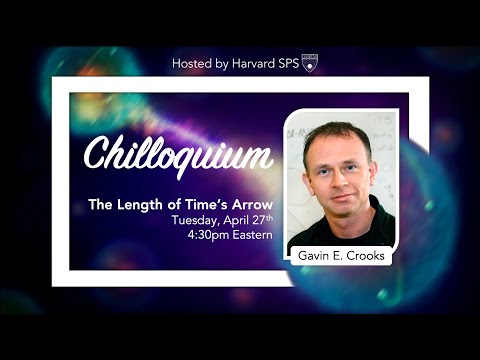
The Length of Time’s Arrow, Harvard Society of Physics Students Chilloquium.
Optimal Thermodynamic Control and the Dynamic Riemannian Geometry of Ising magnets 55 Roessler Hall, UC Davis, 4:10 - 5:30 PM, Monday 25th April 2016 Pap...
Optimal Thermodynamic Control and the Dynamic Riemannian Geometry of Ising magnets Stonybrook University Friday Oct. 30, 2:30pm, Laufer Center lecture ha...
Over the next 2 weeks I will be lecturing at the Princeton Center for Theoretical Science on non-equilibrium statistical dynamics. The Fluctuations of Diss...
The Dynamics of Disorder: From Clausius to Jarzynski. Kavli Frontiers of Science.
Communications of the ACM article on thermodynamic computing and Normal Computing.
IEEE Spectrum article on thermodynamic computing and Normal Computing.
Artificial intelligence wastes an extraordinary amount of energy - but running every computer calculation twice, first forwards and then backwards, could dra...
Interview on the Future of Computing blog about thermodynamic linear algebra.
Wired article on alternative computing approaches, including Normal Computing’s thermodynamic computing.
An interview for The Living Histories Series.
The Crooks Fluctuation Theorem gets a shout-out on BBC’s Man Like Mobeen.
Episode 3 of the CCC Catalyzing Computing podcast, featuring a discussion on thermodynamic computing.
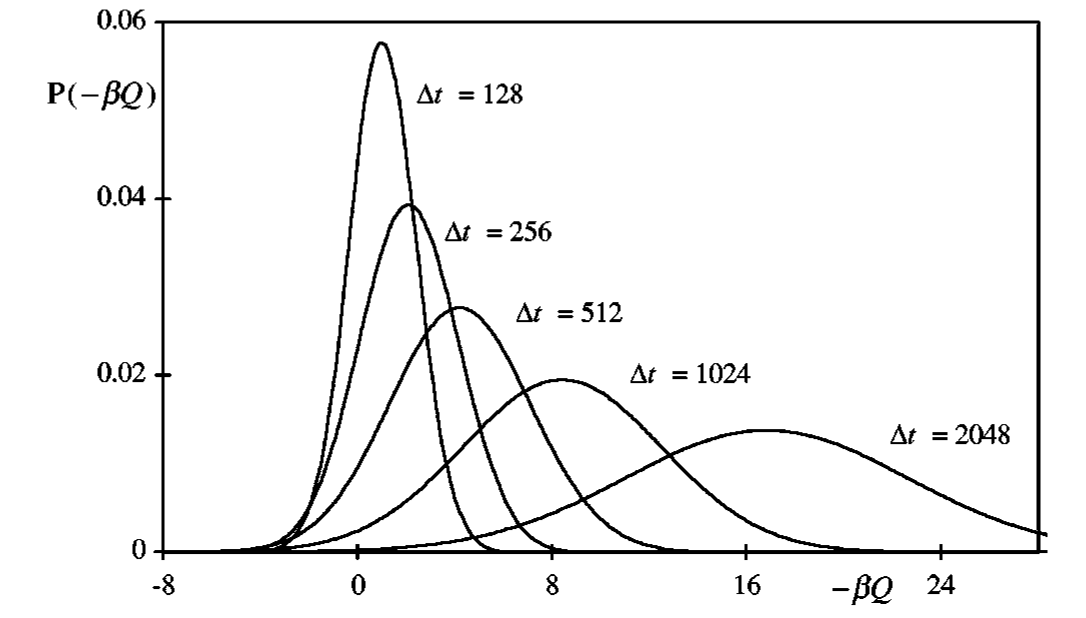
Entropy production fluctuation theorem and the nonequilibrium work relation for free energy differences Gavin E. Crooks Phys. Rev. E 60, 2721 (2000)
Media: The American Scholar By Josie Glausiusz
Berkeley Lab press release on our PRX paper on Langevin integrators and shadow work.
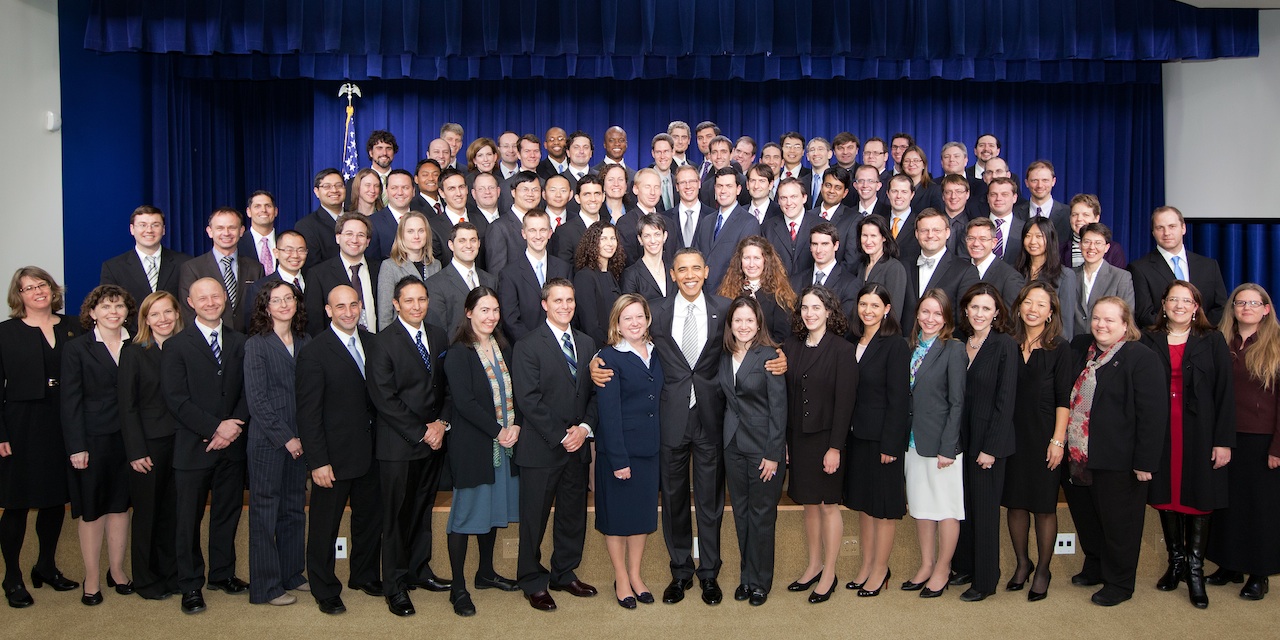
President Honors Outstanding Early-Career Scientists
Amica Conference: Thermodynamic Approaches to Artificial Intelligence. March 9-11, 2026, Karuizawa, Japan.
Talk at U. Chicago Computations in Science Seminar, 2024-03-20.
Spring 2023, Chem 220b @ UC Berkeley. A one-time-only course on stochastic thermodynamics.
Chase Broedersz and Pierre Ronceray wrote a great retrospective on the Jarzynski equality for Nature Reviews Physics, celebrating the 25th anniversary. But ...
Honored to have been elected a Fellow of the American Physical Society, “for the discovery of the Crooks Fluctuation Theorem linking nanoscale fluctuations f...
Entry in the FQXi 2008 Essay Contest on The Nature of Time: Whither Time’s Arrow?
Physicists investigate how time moves forward, PhysOrg.com
April 24, 29 and May 1, 433 Latimer, 2-3:30 PM
WebLogo: Data visualization for everyone, The Scientist, Volume 20, Issue 5, Page 67 (2006)
Let this book be dedicated to the chemists of the newer generation, who will not wish to reject all inferences from conjecture or surmise, but who will no...
“And then there’s quantum, of course.” The monk sighed. “There’s always bloody quantum.”
In science, as in life, it is extremely dangerous to fall in love with beautiful models.
♬ Hey I just met you, and this is crazy, but here’s my paper - so cite me maybe? ♬
Memory has great survival utility … but why would forgetting be adaptive. Forgetting well is almost as important as remembering well. Forgetting is about ...
People like us, who believe in physics, know that the distinction between past, present, and future is only a stubbornly persistent illusion.
Here’s to the crazy ones. The misfits. The rebels. The troublemakers. The round pegs in the square holes. The ones who see things differently. They’re not...
Super-duper-operator (n): An operator is a linear map that acts on a vector space. A superoperator is an operator of an operator, an operator that acts on a...
Substitute damn every time you’re inclined to write very; your editor will delete it and the writing will be just as it should be.
Happy to hear that my former student Grant Rotskoff has joined the Department of Chemistry at Stanford University as Assistant Professor. Hearty congratulat...
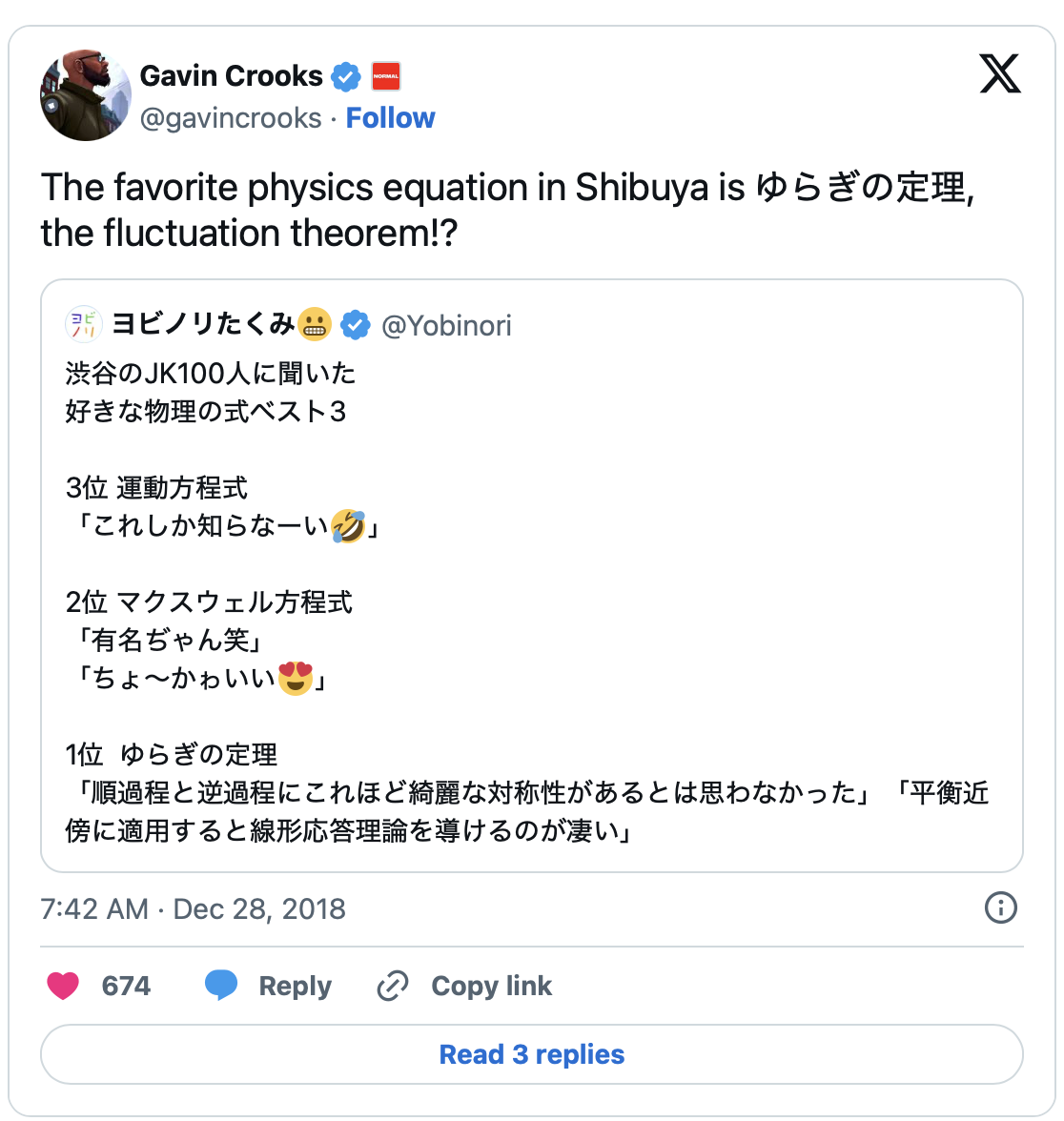
The favorite physics equation in Shibuya is ゆらぎの定理, the fluctuation theorem! pic.twitter.com— Gavin Crooks (@gavincrooks) December 28, 2018
@gavincrooks
At last! GavinCrooks.com
I am proud to announce that Simon Fraser University has hired David Sivak (Former Crooks’ Ensemble Postdoctoral Fellow) to the position of Assistant Profes...
New office address: 260K Stanley Hall
The (virtual) Journal of Lost Papers: Article 001